Ingredients

A pharmacist-led guide to cosmetic actives. Every ingredient explained with scientific evidence: what it does, how to use it and what to combine it with.
Arginine: when it makes sense in cosmetics and what you can expect
barrier
Arginine: when it makes sense in cosmetics and what you can expect
An amino acid useful for supporting skin hydration and comfort, with a more discreet role than marketing sometimes su...
Published: 03 June 2026
What mandelic acid is used for in the skin: a pharmaceutical guide
acne
What mandelic acid is used for in the skin: a pharmaceutical guide
Mandelic acid exfoliates more gently than other AHAs, helps with acne, blemishes, and dull tone, and is usually bette...
Published: 03 June 2026
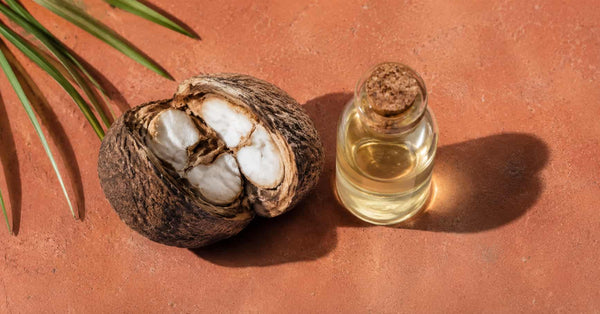
What is babassu oil and how can it help your skin
emollient
What is babassu oil and how can it help your skin
Babassu oil is a lightweight, plant-derived emollient that helps soften the skin, reinforce the skin barrier, and pro...
Published: 03 June 2026
Devil's Claw extract in your routine: when yes and when no
anti-inflammatory
Devil's Claw extract in your routine: when yes and when no
I'll explain what harpagophytum extract is, what real benefits it can bring to the skin, what precautions you should ...
Published: 03 June 2026
Elastin in cosmetics: what it can really do for your skin
anti-wrinkle
Elastin in cosmetics: what it can really do for your skin
Topical elastin is primarily used as a conditioning and moisturizing ingredient. I'll explain what results are realis...
Published: 03 June 2026
What is gallic acid and how can it help your skin
antioxidant
What is gallic acid and how can it help your skin
Gallic acid is a plant-based antioxidant with soothing and protective potential against oxidative stress. I'll explai...
Published: 03 June 2026
Inulin: What it does for your skin and how to make the most of it
anti-inflammatory
Inulin: What it does for your skin and how to make the most of it
Inulin is a cosmetic prebiotic that helps strengthen the skin barrier, improve hydration, and soothe sensitive skin w...
Published: 03 June 2026
Succinic acid: when it makes sense for acne-prone skin
acne
Succinic acid: when it makes sense for acne-prone skin
A lesser-known acid that can fit into routines for occasional blemishes, excess sebum, and mild imperfections, with r...
Published: 03 June 2026
Benzoic acid in cosmetics: what it does and when it makes sense
anti-inflammatory
Benzoic acid in cosmetics: what it does and when it makes sense
A classic preservative with an antimicrobial function, useful in well-formulated products, but with nuances that are ...
Published: 03 June 2026
Topical vitamin B2: when it benefits the skin
anti-inflammatory
Topical vitamin B2: when it benefits the skin
Riboflavin in cosmetics: what role it plays, when it fits into a formula, and what realistic results can be expected ...
Published: 03 June 2026
Topical vitamin B1: what real role does it play in cosmetics
antioxidant
Topical vitamin B1: what real role does it play in cosmetics
An underrated ingredient in cosmetics: I'll explain what topical vitamin B1 can offer and what results you should rea...
Published: 03 June 2026
Zinc sulfate in cosmetics: when it can make sense
acne
Zinc sulfate in cosmetics: when it can make sense
A functional ingredient with antimicrobial and soothing properties, but with important nuances depending on the formu...
Published: 03 June 2026

What are cosmetic active ingredients

Cosmetic active ingredients are the components responsible for making a product do what it promises. Unlike excipients (which provide texture, preservation or fragrance), actives are the ones that produce a real, measurable effect on the skin: stimulating collagen, inhibiting melanin, strengthening the skin barrier or accelerating cell renewal.

The problem is that most brands do not explain which actives they use, at what concentration or why. This pharmacist-led guide to cosmetic ingredients was created to change that: each article analyses an active ingredient with the available scientific evidence, without exaggeration or empty promises.

How to use this ingredient guide

Each article in this guide includes a summary card with the INCI name, effective concentration, potency, recommended skin type, routine step and compatibility with other actives. You will also find information on use during pregnancy and verifiable scientific references.

All content is written and reviewed by a licensed pharmacist with over 20 years of experience. This is not a standard cosmetic ingredient list — it is a professional guide designed to help you make informed decisions about your skincare.

Arancha Grediaga
Author and reviewer
Pharmacist · Dermocosmetics Expert · COFA License #6497
+20 years of community pharmacy experience · Technical Lead at EVUE Cosmetics