Ingredients

A pharmacist-led guide to cosmetic actives. Every ingredient explained with scientific evidence: what it does, how to use it and what to combine it with.
Propolis in cosmetics: when it makes sense and when it doesn't
anti-inflammatory
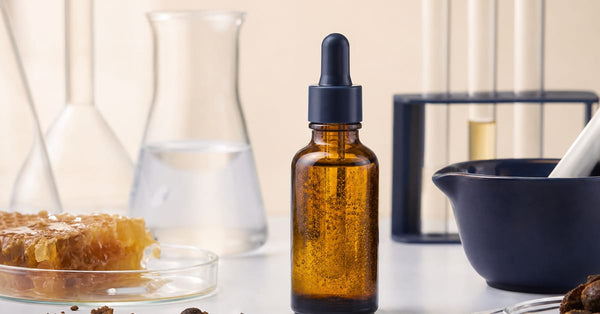
Propolis in cosmetics: when it makes sense and when it doesn't
Not all natural remedies soothe equally. Propolis can help skin with breakouts or mild irritation, but it's important...
Published: 03 June 2026
What is rose water and how can it help your skin
antioxidant
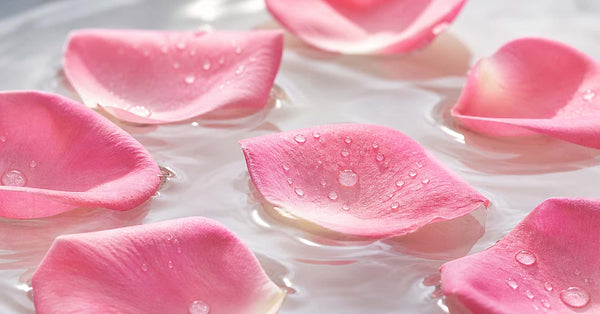
What is rose water and how can it help your skin
Pharmaceutical guide to rose water: what it is, what it's really for, which skin types tolerate it best, and what mis...
Published: 03 June 2026
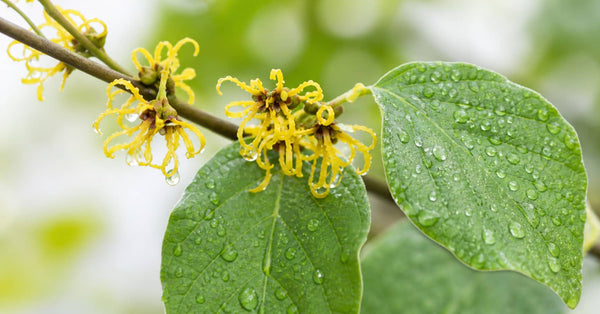
Witch hazel water: what it is, what it's for, and how to use it
barrier
Witch hazel water: what it is, what it's for, and how to use it
Witch hazel water is a soothing and astringent ingredient primarily used on combination, oily, or irritation-prone sk...
Published: 03 June 2026
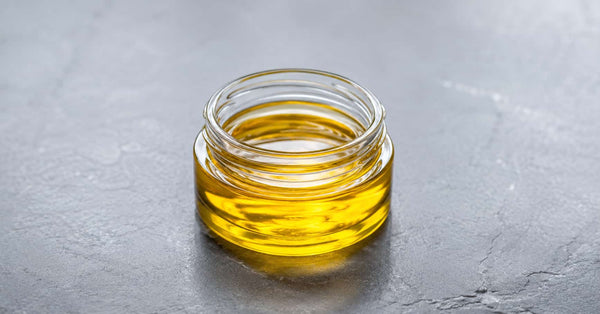
Hemp oil in your routine: when to use it and when not to
anti-inflammatory
Hemp oil in your routine: when to use it and when not to
Hemp oil helps strengthen the skin barrier and soothe the skin. I'll explain its benefits, when to avoid it, and how ...
Published: 03 June 2026
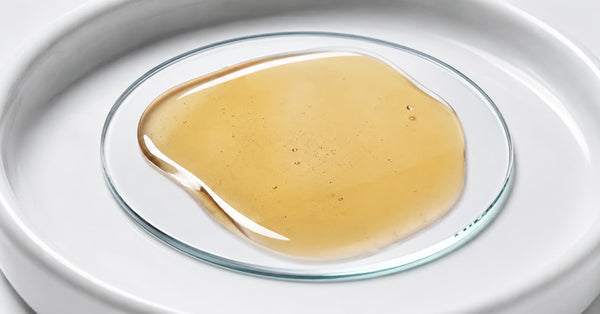
Licorice Root Extract for Skin: What to Expect and What Not To
antioxidant
Licorice Root Extract for Skin: What to Expect and What Not To
Licorice root extract is a calming and antioxidant active ingredient that is very useful for sensitive or blemished s...
Published: 03 June 2026
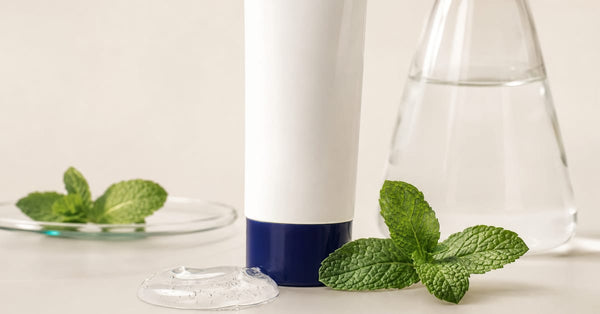
Menthol in cosmetics: freshness, relief, and its limitations
anti-inflammatory
Menthol in cosmetics: freshness, relief, and its limitations
Menthol provides an immediate cooling and relieving sensation, but it's not always suitable for sensitive or reactive...
Published: 03 June 2026
Kaolin for oily skin: when it fits and how to use it
exfoliant
Kaolin for oily skin: when it fits and how to use it
A classic clay for oily or combination skin: useful for absorbing sebum and decongesting, with realistic and no-exagg...
Published: 03 June 2026
Vegetable squalane: light emollience and skin barrier support
barrier
Vegetable squalane: light emollience and skin barrier support
A skin-native lipid that helps to soften, reduce water loss, and improve skin comfort without a dense feel.
Published: 03 June 2026
Oat extract on sensitive skin: when it truly brings calm
antioxidant
Oat extract on sensitive skin: when it truly brings calm
A useful aid for sensitive, dry or reactive skin when the formula is well-planned and not expected to deliver more re...
Published: 03 June 2026
Beta-Glucans: When They Make Sense in a Sensitive Routine
barrier
Beta-Glucans: When They Make Sense in a Sensitive Routine
They're not the most striking ingredient, but they can be a great fit for sensitive, irritated, or irritation-prone s...
Published: 03 June 2026
Topical Probiotics: When They Make Sense in Your Routine
anti-inflammatory
Topical Probiotics: When They Make Sense in Your Routine
They don't do the same thing as an oral probiotic, but they can help soothe and strengthen the barrier in certain ski...
Published: 03 June 2026
Allantoin in cosmetics: when it soothes and when it's barely noticeable
barrier
Allantoin in cosmetics: when it soothes and when it's barely noticeable
A discreet yet useful active ingredient for irritated, sensitive, or compromised skin.
Published: 03 June 2026

What are cosmetic active ingredients

Cosmetic active ingredients are the components responsible for making a product do what it promises. Unlike excipients (which provide texture, preservation or fragrance), actives are the ones that produce a real, measurable effect on the skin: stimulating collagen, inhibiting melanin, strengthening the skin barrier or accelerating cell renewal.

The problem is that most brands do not explain which actives they use, at what concentration or why. This pharmacist-led guide to cosmetic ingredients was created to change that: each article analyses an active ingredient with the available scientific evidence, without exaggeration or empty promises.

How to use this ingredient guide

Each article in this guide includes a summary card with the INCI name, effective concentration, potency, recommended skin type, routine step and compatibility with other actives. You will also find information on use during pregnancy and verifiable scientific references.

All content is written and reviewed by a licensed pharmacist with over 20 years of experience. This is not a standard cosmetic ingredient list — it is a professional guide designed to help you make informed decisions about your skincare.

Arancha Grediaga
Author and reviewer
Pharmacist · Dermocosmetics Expert · COFA License #6497
+20 years of community pharmacy experience · Technical Lead at EVUE Cosmetics